
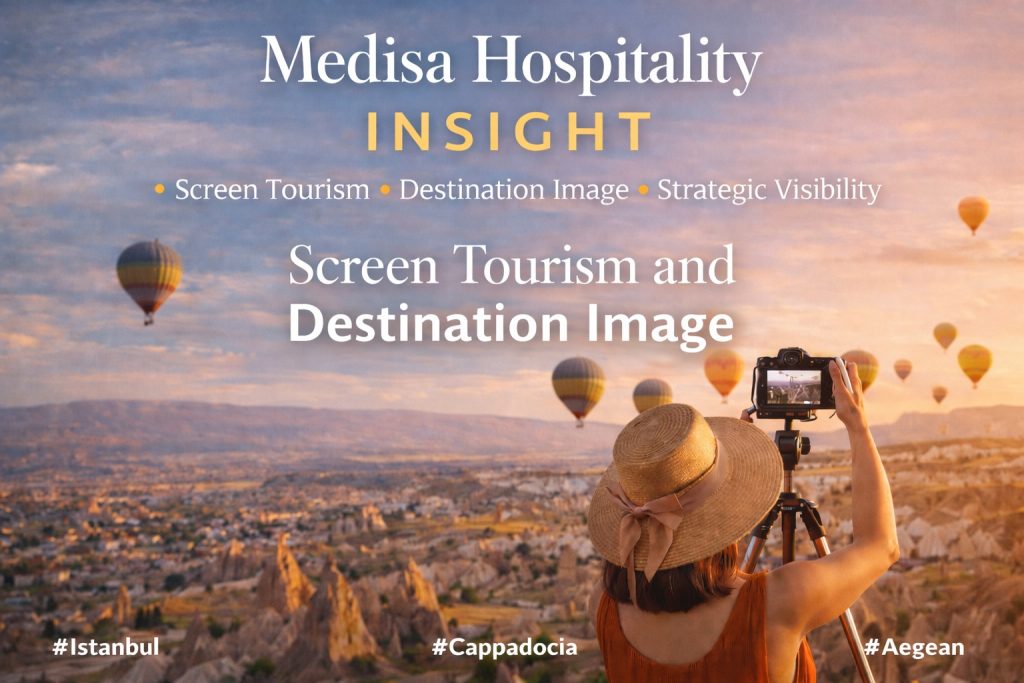
How Film and TV Content Strengthens a Destination’s Image
Research and international case studies continue to show that film and television content can strengthen a destination’s image, increase the desire to travel, and, when managed strategically, turn visibility into real tourism demand. Screen tourism is no longer a niche concept. It is now a serious destination development tool, increasingly recognized by tourism boards and destination marketers around the world.
Today, the image of a city, region, or country is not built only through traditional advertising. In many cases, one memorable scene, one powerful narrative arc, or one visually striking location can leave a deeper and longer-lasting impression than a conventional campaign. Audiences do not simply watch a place on screen. They begin to feel something about it. They form curiosity, emotional connection, and, in many cases, a genuine desire to experience that place in real life.
This is where screen tourism becomes especially important. Destinations shown on screen are no longer just backdrops. They become part of the travel decision-making process. People do not only want to watch the story unfold; they want to walk through the same streets, stand in front of the same landscapes, and experience the same atmosphere for themselves.
In recent years, this has become even more visible. Across different markets, destinations featured in films and television series have gained international attention, inspired themed travel, and created new visitor interest long after production wrapped. What makes this especially valuable is that screen exposure does more than generate awareness. It can also create perception, aspiration, and commercial opportunity.
One of the most important insights in this field is that the impact does not come from story alone. Very often, the strongest trigger is the location itself. Scenery, landscapes, architecture, cultural atmosphere, heritage sites, coastlines, and urban energy all shape how audiences remember a destination. Research in this area has also shown that scenery and cultural attractions can be among the most influential factors behind travel motivation, and that the effect can vary across different audiences and markets.
In other words, people do not always follow the characters. Sometimes, they follow the place.
That is why screen tourism should not be reduced to the idea of visiting a place simply because a famous production was filmed there. The real process is much bigger. Film and television can reshape how a destination is perceived. A place that once felt distant, unfamiliar, or neutral can suddenly feel romantic, dramatic, luxurious, mysterious, historic, spiritual, or worth exploring. That shift in perception can influence real travel behavior.
Türkiye has exceptional potential in this space. It offers much more than attractive scenery. It offers layered visual identity, cultural depth, and extraordinary geographic variety. Istanbul brings together imperial heritage and modern urban energy. Cappadocia offers one of the most distinctive landscapes in the world. Ephesus, Bergama, and other archaeological sites carry civilizational weight. Mardin presents a unique stone-built texture and atmosphere. The Black Sea region offers dramatic nature. The southern coast brings luxury, freedom, and lifestyle appeal. Each of these settings can serve a very different kind of production, and each can leave a very different impression on global audiences.
The real question, however, is not whether Türkiye has potential. The real question is how that potential is managed.
For years, international productions in Türkiye have understandably focused on permits, logistics, local coordination, transport, accommodation, access, and operational delivery. All of that is essential. But the next step is to think beyond production execution. If a project is treated only as a filming service, the economic value often remains tied to the production period itself. If the same project is treated as a destination marketing asset, its value can continue long after filming ends.
That is the strategic shift many destinations are now making. Official tourism bodies increasingly treat screen exposure as a long-term demand driver, not simply as publicity. VisitBritain, for example, describes screen tourism as attracting visitors by showcasing locations and experiences featured in film and TV, while Tourism New Zealand continues to promote film locations as travel experiences in their own right.
This is the opportunity: once a film or series is released, what remains?
Is it only a completed production?
Or is it also a long-term destination asset that can support itineraries, content campaigns, press stories, themed travel products, investor visibility, and new visitor demand?
That is where real value begins.
A production that is strategically leveraged can increase international visibility, generate organic media interest, support destination storytelling, inspire thematic routes, and create new commercial pathways for hotels, resorts, tour operators, cultural institutions, municipalities, and investors. In this model, production is no longer a one-time service transaction. It becomes part of a longer value chain.
This does not happen automatically. It requires planning. Before production, the destination potential of locations should be identified. During production, usable visual and editorial assets should be captured with future destination storytelling in mind. After release, that visibility should be translated into articles, landing pages, destination features, routes, itineraries, digital maps, trade narratives, and experience-led offers.
Screen tourism, in other words, is not accidental. It is built.
Türkiye is well positioned for this approach because it is not only a place where productions can be made efficiently. It is also a place that can generate desire when seen on screen. That distinction matters. There is a difference between being a service location and becoming a desired destination.
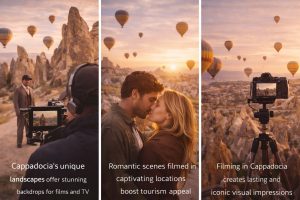
Looking ahead, film and television content should be viewed not only as cultural output, but also as strategic destination infrastructure. Screen storytelling shapes perception. Perception shapes interest. Interest, when properly managed, can shape movement.
That is why the most forward-looking destinations are no longer asking only how to attract productions. They are also asking how each production can create lasting destination value.
In the years ahead, the destinations that will benefit most from screen exposure will be the ones that understand this clearly: the camera does not just record a place. It can reposition it.
If you would like to make your destination, investment project, or tourism brand more visible through the power of screen storytelling, we would be pleased to hear from you. Medisa Hospitality works with hotels, resorts, and destinations, and its contact page invites inquiries from property and destination stakeholders.
You can get in touch through the Contact Us page
or email info@medisahospitality.com.